131
India’s educational environment has seen a dramatic change with the implementation of the new National Education Policy. By 2030, the 2020-introduced policy seeks to make India a worldwide knowledge giant and achieve universal access to education.

Important Aspects of the New Education Law
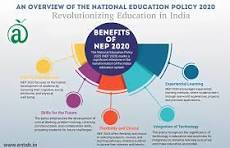
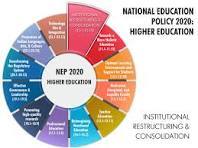
- The policy replaces the conventional 10+2 system with a new 5+3+3+4 framework.
- For kids ages three to six, the program consists of three years of preschool, followed by twelve years of formal education.
- The significance of vocational training and Early Childhood Care and Education (ECCE) is emphasized in the policy.
- Additionally, it encourages the use of technology in the classroom, emphasizing distant and online learning.
- Maharashtra, Andhra Pradesh, and Rajasthan are among the states that have adopted the policy. According to Himanta Biswa Sarma, the chief minister of Assam, the policy will go into effect in the state on April 1, 2022.
- The simultaneous dual degree program has been authorized by the University Grants Commission (UGC), both in physical and online modes.
- The New Education Policy’s Effects-With an emphasis on raising educational standards and expanding access, the program is anticipated to have a big effect on India’s educational system.
- Additionally, it is anticipated to boost student involvement in higher education and encourage the use of technology in the classroom.
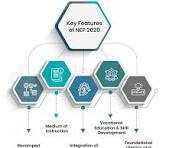
An important turning point in India’s educational history has been reached with the adoption of the new National Education Policy. The country’s education sector is anticipated to benefit from the policy’s emphasis on universalising education, encouraging vocational training, and utilizing technology in the classroom. It will be interesting to observe how the policy affects India’s educational system as it is implemented nationwide.