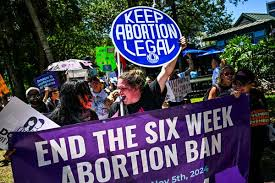
The topic of abortion rights in Florida has sparked intense debate and activism in recent years, particularly in the wake of shifting political landscapes and legislative changes. As advocates on both sides of the issue rally for their causes, the state has become a focal point in the national conversation surrounding reproductive rights. This article explores the current state of abortion rights in Florida, the implications of recent laws, and the grassroots movements advocating for reproductive freedom.
A Shifting Legal Landscape
In 2022, Florida’s government enacted significant restrictions on abortion access, reflecting a broader trend seen across the United States following the Supreme Court’s decision to overturn Roe v. Wade. The new legislation introduced a 15-week ban on abortions, limiting access without exceptions for rape or incest. This marked a stark departure from previous laws that allowed abortions up to 24 weeks, creating a sense of urgency among reproductive rights advocates.
The legal landscape in Florida has left many women, particularly those from marginalized communities, grappling with limited access to essential healthcare services. The 15-week limit not only restricts the timeframe in which individuals can seek abortions but also complicates the decision-making process for those who may need time to consider their options or deal with potential complications.
The Impacts on Women’s Health and Autonomy
The restrictions imposed by the Florida government have raised serious concerns about women’s health and autonomy. Many advocates argue that access to safe and legal abortion is a fundamental right and a crucial aspect of healthcare. The limitations placed on abortion access can lead to dire consequences, including forcing individuals to seek unsafe procedures or travel out of state to access care.
For low-income women and those living in rural areas, the barriers to accessing abortion services are even more pronounced. Travel costs, time off work, and childcare responsibilities can make it nearly impossible for some to obtain the care they need. The intersection of economic inequality and reproductive rights underscores the importance of advocating for comprehensive healthcare access for all.
Grassroots Movements and Activism
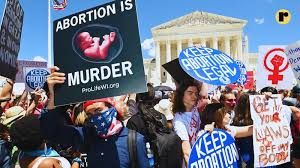
In response to the tightening restrictions, grassroots movements across Florida have mobilized to advocate for reproductive rights. Organizations such as Planned Parenthood, the ACLU of Florida, and various local coalitions have been at the forefront of the fight, employing a range of strategies to raise awareness and effect change.
One significant aspect of this activism is the emphasis on education and outreach. Many organizations have ramped up efforts to inform the public about their reproductive rights, the resources available, and the potential consequences of restrictive laws. Workshops, informational sessions, and community forums have become vital tools in empowering individuals to take charge of their reproductive health.
Additionally, social media has played a critical role in amplifying the voices of advocates and those affected by restrictive laws. Platforms like Twitter and Instagram serve as spaces for sharing personal stories, rallying support, and mobilizing protests. Hashtags like #HandsOffMyBody and #AbortionIsHealthcare have become rallying cries for those advocating for reproductive freedom, creating a sense of community and urgency around the issue.
Legal Challenges and the Path Forward
Legal challenges to Florida’s abortion laws have emerged as a key avenue for advocates seeking to restore reproductive rights. Various lawsuits have been filed, arguing that the state’s restrictions violate constitutional rights and disproportionately impact vulnerable populations. These legal battles highlight the ongoing struggle for reproductive justice in Florida and reflect a broader national trend of challenging restrictive abortion laws in court.
The outcome of these legal challenges is critical, as they will determine the future of abortion access in the state. Many advocates are hopeful that, with the right legal arguments and public support, progress can be made toward restoring broader access to reproductive healthcare.
The Role of Public Opinion
Public opinion on abortion rights in Florida has evolved over the years, with many polls indicating a growing support for reproductive rights, particularly among younger voters. This shifting sentiment may influence future elections and policy decisions, as politicians take note of the electorate’s views.
The mobilization of young voters has been particularly significant. Many college students and young adults are actively engaging in advocacy, utilizing their platforms to raise awareness about the importance of abortion access and reproductive healthcare. This generation’s commitment to social justice issues suggests that the fight for abortion rights in Florida may gain even more traction in the coming years.
The Importance of Intersectionality
In discussions about abortion rights, it’s crucial to consider the intersectionality of the issue. Reproductive rights are not solely a matter of choice; they are intertwined with social justice, economic inequality, and healthcare access. Marginalized communities, including people of color and low-income individuals, often face the most significant barriers to accessing reproductive healthcare.
Advocates for abortion rights in Florida are increasingly recognizing the importance of an intersectional approach to their work. This means not only fighting for the right to choose but also addressing the systemic inequalities that impact individuals’ ability to make informed choices about their bodies and lives. Collaborations with organizations focused on racial justice, economic equity, and healthcare access are essential to building a more inclusive movement.
Conclusion: A Call to Action
The fight for abortion rights in Florida is far from over. As legislative battles continue and grassroots movements gain momentum, the need for solidarity and support remains critical. Advocates urge individuals to stay informed, engage in conversations about reproductive rights, and participate in local and state-level initiatives.
Whether through attending rallies, volunteering with organizations, or advocating for policy changes, every action contributes to the larger fight for reproductive justice. The path forward may be fraught with challenges, but the resilience of advocates and the growing public support for abortion rights offer hope for a future where reproductive freedom is accessible to all. As Florida stands at this crossroads, it is imperative that we continue to push for policies that respect individual autonomy and ensure that all people have the right to make choices about their own bodies.
