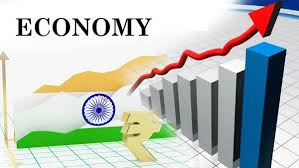
As India navigates a complex economic landscape, concerns are mounting over the sustainability of its growth amid a backdrop of global uncertainty. Despite being one of the fastest-growing major economies, recent data indicates that India’s economic momentum is facing significant challenges that could hinder its ambitious targets.
Current Economic Landscape
India’s economy has shown resilience in recovering from the impacts of the COVID-19 pandemic, with the International Monetary Fund (IMF) projecting a growth rate of approximately 6% for the fiscal year 2024. This growth has been bolstered by robust domestic consumption, increased investment in infrastructure, and a rebound in key sectors such as services and manufacturing. However, as the global economy faces potential recessions and geopolitical tensions rise, India’s economic prospects are increasingly at risk.
The global economic environment is marked by several headwinds, including high inflation rates, supply chain disruptions, and rising interest rates. These factors are not only affecting developed economies but are also spilling over into emerging markets, including India. As central banks worldwide tighten monetary policies to combat inflation, India may face challenges in maintaining liquidity and ensuring that credit flows to critical sectors.
Inflationary Pressures
One of the primary concerns for the Indian economy is inflation. Recent data from the Ministry of Statistics and Programme Implementation shows that inflation rates have remained persistently high, primarily driven by rising prices of essential commodities such as food and fuel. In September 2024, consumer price inflation reached a troubling 7.5%, significantly above the Reserve Bank of India’s (RBI) comfort zone.

The RBI has responded by raising interest rates, attempting to temper demand and curb inflation. However, higher borrowing costs could dampen consumer spending and investment, leading to a slowdown in economic growth. Businesses, particularly in the small and medium enterprise (SME) sector, are feeling the pinch, as increased operational costs and reduced consumer demand strain their profitability.
Impact of Global Uncertainty
Global uncertainties, including geopolitical tensions, trade disputes, and energy price fluctuations, are further complicating India’s economic outlook. The ongoing conflict in Ukraine and tensions between major economies have resulted in volatile energy prices, impacting India, which relies heavily on imported oil.
India’s energy imports constitute a significant portion of its current account deficit, which could widen if oil prices remain elevated. The government is keenly aware of this vulnerability and has been exploring alternative energy sources, including renewable energy, to reduce dependence on fossil fuels. However, the transition to sustainable energy is a long-term endeavor that requires substantial investment and infrastructure development.
Employment Challenges
While the Indian economy has rebounded, the job market continues to struggle. Despite growth in certain sectors, unemployment rates remain a concern, particularly among the youth. According to recent surveys, nearly 30% of young Indians are unemployed, a situation exacerbated by a mismatch between the skills of graduates and the demands of employers.
The government has launched several initiatives aimed at skill development and job creation, but progress has been slow. The formalization of the labor market and support for entrepreneurship are critical to ensuring that the benefits of economic growth are broadly shared. Without targeted efforts to create quality jobs, the potential for social unrest and dissatisfaction among the youth could grow.
Infrastructure Development and Investment
To counter these challenges, the Indian government has announced ambitious plans for infrastructure development, viewing it as a key driver of economic growth. The National Infrastructure Pipeline aims to invest over $1.4 trillion in various projects, including transportation, urban development, and renewable energy.
Investments in infrastructure are expected to create jobs, stimulate demand, and enhance productivity. However, bureaucratic hurdles, land acquisition issues, and financing challenges continue to impede timely execution. The government must streamline processes and ensure that public-private partnerships are effectively leveraged to realize these ambitious plans.
Policy Recommendations
To navigate the turbulent waters of global uncertainty, India’s policymakers must adopt a multifaceted approach:
- Strengthening Domestic Demand: Policies aimed at boosting consumer spending through targeted subsidies and social welfare programs can help support demand, particularly in the wake of inflationary pressures.
- Enhancing Skill Development: Focusing on vocational training and aligning educational curricula with industry needs can bridge the skills gap, ensuring that young people are equipped for the job market.
- Promoting Sustainable Practices: Investing in renewable energy and sustainable practices not only addresses climate change concerns but also reduces vulnerability to fluctuating fossil fuel prices.
- Improving Ease of Doing Business: Streamlining regulations and enhancing the business environment can attract foreign direct investment, driving economic growth.
- Fostering Innovation: Supporting startups and innovation through funding and infrastructure can lead to job creation and new solutions to emerging challenges.
Conclusion
While India’s economic growth remains promising, the path ahead is fraught with challenges. The interplay of global uncertainties, inflationary pressures, and domestic issues necessitates a comprehensive strategy to sustain growth. By focusing on domestic consumption, skill development, and infrastructure investment, India can position itself to weather external shocks and continue on its trajectory toward becoming a global economic powerhouse. As the government navigates these complexities, the engagement of all stakeholders—businesses, civil society, and the workforce—will be essential to building a resilient and inclusive economy that benefits all citizens.