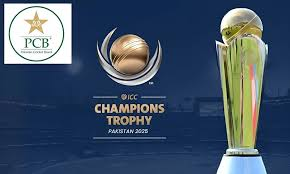
In a significant development for international cricket, the International Cricket Council (ICC) is currently awaiting a decision from the Pakistan Cricket Board (PCB) regarding the proposed hybrid model for the upcoming Champions Trophy. This comes in the wake of India’s refusal to travel to Pakistan for the tournament, raising questions about the feasibility of the event and the future of cricketing ties between the two nations.
Background of the Champions Trophy
The ICC Champions Trophy is one of the premier limited-overs cricket tournaments, featuring the top cricketing nations competing for the title. Scheduled to take place in Pakistan in 2025, the tournament has been a subject of intense discussion, particularly given the historical tensions between India and Pakistan. The last time Pakistan hosted a major international cricket tournament was in 1996, and the country has been eager to showcase its ability to host international events since then.
India’s Stance
India’s decision not to travel to Pakistan for the Champions Trophy stems from longstanding political and security concerns. The Board of Control for Cricket in India (BCCI) has consistently maintained that the safety of players and officials is paramount. In recent statements, BCCI officials reiterated that they would not send the Indian team to Pakistan unless there are substantial guarantees regarding security.
The Indian government has also played a crucial role in this decision, as it has historically influenced the BCCI’s stance on playing in Pakistan. The current geopolitical climate, marked by heightened tensions and security concerns, has further complicated matters. As a result, the BCCI’s position has left the ICC and PCB in a challenging situation as they seek to finalize arrangements for the tournament.
The Hybrid Model Proposal
In light of India’s refusal to travel, the ICC has proposed a hybrid model for the Champions Trophy. This model suggests that some matches could be held in neutral venues, allowing India to participate without traveling to Pakistan. The hybrid model aims to ensure that the tournament can proceed while accommodating the concerns of all participating nations.
The PCB has expressed its willingness to consider this model, but it requires careful deliberation and planning. The board is currently evaluating the logistics, potential venues, and the overall impact on the tournament’s integrity. PCB officials have emphasized their commitment to hosting the tournament in Pakistan, but they also recognize the need for a solution that satisfies all stakeholders.
Reactions from Cricketing Fraternity
The cricketing community has reacted with mixed feelings to the developments surrounding the Champions Trophy. Former cricketers and analysts have weighed in on the situation, highlighting the importance of maintaining cricketing ties between India and Pakistan. Many believe that cricket can serve as a bridge between the two nations, fostering goodwill and understanding.
However, others have pointed out the practical challenges of hosting the tournament in Pakistan, especially given the security concerns. The ICC’s decision to explore a hybrid model has been welcomed by some as a pragmatic approach to ensure the tournament’s success while addressing the concerns of participating nations.
The Role of the ICC
The ICC finds itself in a delicate position as it navigates the complexities of international cricket politics. The governing body has a responsibility to ensure that all member nations can participate in its events while also maintaining the integrity of the tournament. The ICC’s willingness to consider a hybrid model reflects its commitment to inclusivity and the promotion of cricket on a global scale.
In recent statements, ICC officials have reiterated their desire to see the Champions Trophy take place as planned. They have expressed optimism that a solution can be reached that accommodates the concerns of all parties involved. The ICC is also exploring alternative venues for matches, should the need arise.
Future of India-Pakistan Cricketing Ties
The ongoing situation raises broader questions about the future of cricketing ties between India and Pakistan. Historically, matches between the two nations have drawn significant attention and fanfare, often regarded as the pinnacle of cricketing rivalries. However, political tensions have frequently overshadowed these encounters, leading to a sporadic schedule of matches.
As the ICC and PCB work towards a resolution for the Champions Trophy, the hope remains that this situation could pave the way for more regular encounters between the two teams. Many cricket enthusiasts believe that fostering dialogue and cooperation through cricket could contribute to easing tensions and building bridges between the nations.
Conclusion
The ICC’s wait for the PCB’s decision on the hybrid model for the Champions Trophy underscores the complexities of international cricket in the context of geopolitical realities. With India’s refusal to travel to Pakistan, the need for innovative solutions has become paramount to ensure the tournament’s success.
As discussions continue, the cricketing world watches closely, hoping for a resolution that allows for the Champions Trophy to proceed while prioritizing the safety and security of all participants. The outcome of this situation could have lasting implications for the future of cricketing relations between India and Pakistan, and the broader landscape of international cricket.
In the coming weeks, the PCB’s decision will be pivotal in shaping the tournament’s framework and determining whether cricket can once again serve as a unifying force between two nations with a rich cricket heritage. The potential for a hybrid model could not only facilitate the Champions Trophy but also set a precedent for future tournaments, allowing for greater flexibility in accommodating the diverse needs of participating nations.
The Importance of Dialogue
As the ICC and PCB engage in discussions, the importance of dialogue cannot be overstated. Cricket has historically played a role in fostering relationships between India and Pakistan, and the current situation presents an opportunity for both boards to engage in constructive conversations. By prioritizing communication and collaboration, there is hope that cricket can continue to be a platform for diplomacy and understanding.
The Role of Fans
Fans play a crucial role in the cricketing ecosystem, and their sentiments regarding the Champions Trophy are varied. Many fans express a desire to see their teams compete on the field, regardless of the venue. The passion and enthusiasm of fans can often transcend political barriers, and their support for the sport can be a powerful motivator for both boards to find common ground.
Looking Ahead
As the ICC awaits the PCB’s decision, the cricketing community remains hopeful for a resolution that allows for the Champions Trophy to proceed smoothly. The hybrid model, if implemented, could serve as a blueprint for future tournaments, ensuring that cricket remains accessible to all nations while addressing security concerns.
In conclusion, the situation surrounding the Champions Trophy is emblematic of the broader challenges facing international cricket in a politically charged environment. The ICC’s proactive approach in considering a hybrid model reflects its commitment to inclusivity and the promotion of the sport. As discussions unfold, the hope is that cricket can continue to serve as a bridge between nations, fostering goodwill and unity in a world often divided by differences. The outcome of this situation will not only impact the Champions Trophy but could also shape the future of cricketing relations between India and Pakistan for years to come.