
In a significant legal development, a federal judge has ruled that Meta Platforms Inc. and its CEO, Mark Zuckerberg, are not liable in a series of lawsuits alleging that the company’s social media platforms, including Facebook and Instagram, have caused harm to children. The ruling, which has sparked widespread discussion about the responsibilities of social media companies in protecting young users, comes amid growing concerns about the impact of social media on mental health, particularly among adolescents.
Background of the Lawsuits
The lawsuits were filed by parents and advocacy groups who claimed that Meta’s platforms contribute to a range of mental health issues in children, including anxiety, depression, and body image concerns. The plaintiffs argued that the company knowingly designed its platforms to be addictive and harmful, particularly to younger users, and that it failed to implement adequate safety measures to protect them.
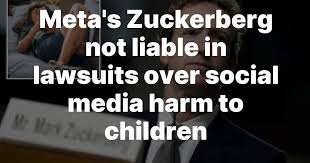
The legal actions were part of a broader trend of increasing scrutiny on social media companies regarding their impact on youth. With the rise of social media usage among children and teenagers, concerns have escalated about the potential for addiction, cyberbullying, and exposure to harmful content. The plaintiffs sought to hold Meta accountable for what they described as a failure to prioritize the safety and well-being of its younger users.
The Court’s Ruling
In a ruling issued by U.S. District Judge William Alsup, the court dismissed the lawsuits against Meta and Zuckerberg, stating that the claims were not sufficiently supported by evidence. The judge emphasized that the plaintiffs had not demonstrated a direct causal link between the use of Meta’s platforms and the alleged harm to children. Furthermore, the court noted that social media use is a complex issue influenced by various factors, including parental guidance and individual circumstances.

Judge Alsup’s decision highlighted the legal protections afforded to social media companies under Section 230 of the Communications Decency Act, which shields online platforms from liability for user-generated content. This provision has been a cornerstone of internet law, allowing platforms to operate without fear of being held responsible for the actions of their users.
Implications of the Ruling
The ruling has significant implications for the ongoing debate about the responsibilities of social media companies in safeguarding young users. While the court’s decision may provide a temporary reprieve for Meta, it does not address the underlying concerns about the impact of social media on mental health. Critics argue that the ruling could set a precedent that allows companies to evade accountability for the potential harms caused by their platforms.
Advocacy groups have expressed disappointment with the ruling, arguing that it undermines efforts to hold social media companies accountable for their role in the mental health crisis among youth. “This ruling sends a troubling message that tech companies can operate without regard for the well-being of children,” said Sarah Johnson, a spokesperson for a leading child advocacy organization. “We need stronger regulations and protections to ensure that social media platforms prioritize the safety of their young users.”
The Broader Context of Social Media and Mental Health
The ruling comes at a time when the relationship between social media and mental health is under intense scrutiny. Numerous studies have linked excessive social media use to negative mental health outcomes, particularly among adolescents. Issues such as cyberbullying, social comparison, and exposure to unrealistic standards of beauty have been identified as contributing factors to anxiety and depression in young people.
In response to growing concerns, some lawmakers and regulators have called for stricter regulations on social media companies, particularly regarding their practices related to children and teenagers. Proposals have included age verification measures, restrictions on targeted advertising to minors, and enhanced transparency regarding the algorithms that drive content recommendations.
Meta’s Response
In the wake of the ruling, Meta issued a statement expressing its commitment to the safety and well-being of its users, particularly young people. The company emphasized its ongoing efforts to implement features designed to promote healthy usage of its platforms, such as screen time management tools and resources for mental health support.
“We take the safety of our community seriously and are continuously working to improve our platforms,” the statement read. “We are committed to providing resources and tools that help parents and young users navigate the challenges of social media.”
The Future of Social Media Regulation
The ruling against the lawsuits targeting Meta and Zuckerberg may have immediate implications for the company, but it also raises broader questions about the future of social media regulation. As concerns about the impact of social media on mental health continue to grow, the pressure on lawmakers to take action is likely to intensify.
Advocates for stronger regulations argue that social media companies must be held accountable for their role in shaping the online experiences of young users. They contend that without meaningful oversight, companies may prioritize profit over the well-being of their users, leading to further harm.
Conclusion
The recent ruling that absolves Meta and Mark Zuckerberg of liability in lawsuits concerning social media harm to children marks a pivotal moment in the ongoing discourse surrounding the responsibilities of tech companies. While the court’s decision may provide a temporary shield for Meta, it does not resolve the pressing concerns about the impact of social media on youth mental health and the need for comprehensive regulatory measures. As the conversation around social media’s influence on children continues, it is clear that the issue is far from settled.
The ruling has reignited discussions about the ethical responsibilities of social media platforms and their executives. Critics argue that companies like Meta should be held to a higher standard, especially given the significant role their platforms play in the lives of young people. The potential for addiction, exposure to harmful content, and the psychological effects of social media use are issues that cannot be overlooked.
The Role of Parents and Guardians
While the court emphasized the complexity of social media’s impact, it also highlighted the crucial role of parents and guardians in monitoring their children’s online activities. Experts suggest that open communication about social media use, setting boundaries, and educating children about online safety are essential steps in mitigating potential harms. However, this places a significant burden on families, particularly those who may not have the resources or knowledge to navigate the digital landscape effectively.
The Call for Legislative Action
In light of the ruling, many advocates are calling for legislative action to create a safer online environment for children. Proposed measures include:
- Stricter Age Verification: Implementing robust age verification systems to ensure that children are not accessing platforms designed for older users.
- Content Moderation Standards: Establishing clear guidelines for content moderation that prioritize the safety of young users and prevent harmful content from being disseminated.
- Transparency in Algorithms: Requiring social media companies to disclose how their algorithms work, particularly in relation to content targeting minors.
- Mental Health Resources: Mandating that social media platforms provide accessible mental health resources and support for young users.
The Path Forward
As the legal landscape surrounding social media continues to evolve, it is crucial for stakeholders—including parents, educators, lawmakers, and tech companies—to engage in meaningful dialogue about the future of social media and its impact on youth. The recent ruling may have provided a legal victory for Meta, but it has also underscored the urgent need for a collective effort to address the challenges posed by social media.
The conversation about social media’s role in society is ongoing, and it is essential to prioritize the well-being of children in this discourse. As more studies emerge linking social media use to mental health issues, the pressure on companies like Meta to take responsibility for their platforms will only increase.
Conclusion
In conclusion, while the court’s ruling may shield Meta and Zuckerberg from liability in the short term, it does not eliminate the pressing concerns surrounding the impact of social media on children. The need for accountability, transparency, and proactive measures to protect young users remains paramount. As society grapples with the complexities of social media, it is imperative to ensure that the voices of children and their advocates are heard in the ongoing discussions about the future of digital platforms. The fight for a safer online environment for children is far from over, and it will require concerted efforts from all sectors of society to achieve meaningful change.
