As the year draws to a close, skywatchers in India are in for a treat with the last supermoon of 2024, known as the Beaver Moon, set to illuminate the night sky on November 16, 2024. This astronomical event is not only a visual delight but also a significant occasion for astronomy enthusiasts and casual observers alike. The Beaver Moon, named for the time of year when beavers prepare for winter, will be the fourth and final supermoon of the year, following the Sturgeon Moon in August, the Harvest Moon in September, and the Hunter’s Moon in October.
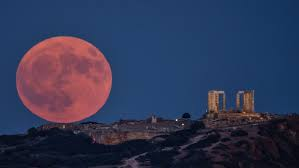
What is a Supermoon?
- A supermoon occurs when a full moon coincides with the moon’s closest approach to Earth in its elliptical orbit, known as perigee. This proximity makes the moon appear larger and brighter than usual, with the Beaver Moon expected to be nearly 14% larger and 30% brighter than an average full moon.
- The phenomenon is not just a visual spectacle; it also has cultural significance. Various cultures have different names for this full moon, reflecting seasonal changes and local traditions. The Beaver Moon is particularly notable as it marks the time when beavers are most active in preparing for winter.
Viewing the Beaver Moon in India
- The Beaver Moon will reach its full illumination at 2:58 AM IST on November 16, 2024. However, the best time to view it will be shortly after sunset on November 15, when the moon rises about 20 to 30 minutes after the sun sets. This timing enhances the “moon illusion,” making the moon appear especially large and dramatic against the horizon.
- For viewers in India, the Beaver Moon will be visible alongside the Pleiades star cluster, also known as the Seven Sisters. This cluster will be positioned to the lower left of the moon during its rise, creating a stunning visual display for observers.
Tips for Capturing Stunning Photos of the Supermoon
For those looking to capture the beauty of the Beaver Moon with their smartphones, here are ten simple tips to ensure eye-catching photographs:

- Charge Your Phone: Ensure your smartphone is fully charged, and consider bringing a backup battery, as moon photography can drain your battery quickly.
- Find the Right Location: Look for an open area with minimal obstructions, such as a beach or hill, to get a clear view of the moonrise.
- Use a Tripod: A tripod will help stabilize your phone and avoid blurry images. If you don’t have one, rest your phone on a steady surface.
- Lock Focus and Adjust Exposure: Tap and hold on the moon on your screen to lock focus, then manually adjust the exposure to capture the moon’s details.
- Shoot in RAW Mode: If your smartphone allows it, enable RAW mode for better detail and dynamic range, capturing both the moon’s highlights and the surrounding shadows.
- Use Binoculars or a Telescope: For more detail, align your phone with binoculars or a telescope to magnify the view of the moon.
- Timing is Key: Use a moonrise calculator to determine the exact time the moon will rise in your location for the best shot.
- Experiment with Angles: Try different angles and compositions, including foreground elements like trees or buildings to add depth to your photos.
- Edit Your Photos: After capturing your images, use photo editing apps to enhance colors and contrast, making your photos pop.
- Share Your Experience: Don’t forget to share your photos on social media and connect with other astronomy enthusiasts to celebrate this celestial event.
Cultural Significance of the Beaver Moon
The Beaver Moon holds cultural importance across various communities. Historically, it was a time for Native American tribes to set beaver traps before the swamps froze, ensuring a supply of warm furs for winter. In many cultures, this full moon signifies the onset of colder weather and the approach of winter, making it a time for reflection and preparation.
Conclusion
The last supermoon of 2024 promises to be a breathtaking event for skywatchers in India and around the world. As the Beaver Moon lights up the night sky, it offers a perfect opportunity for stargazers to appreciate its beauty alongside the Pleiades star cluster. Whether you are an avid astronomer or a casual observer, this celestial spectacle is not to be missed. So, mark your calendars for November 16, 2024, and prepare to be mesmerized by the luminous glow of the Beaver Moon.
As we look forward to this astronomical event, let us embrace the wonder of the universe and the beauty it brings to our lives. Happy moon gazing!
