In recent years, the Sikh community has faced various challenges, including discrimination, misunderstandings, and hate crimes. As a response to these issues, many individuals and organizations have stepped up to support and uplift Sikh voices, fostering a sense of solidarity and community. This article explores the current landscape of support for Sikhs, the importance of allyship, and ways to build understanding across cultures.
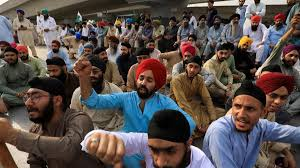
Understanding the Sikh Community
Sikhism, founded in the 15th century in Punjab, India, emphasizes values such as equality, community service, and devotion to one God. With a rich cultural heritage and a commitment to social justice, Sikhs have made significant contributions to society in various fields, from agriculture to technology. However, despite these contributions, the community often grapples with misconceptions and stereotypes that can lead to marginalization.
Recent incidents of hate crimes against Sikhs, particularly in Western countries, have underscored the urgent need for awareness and support. High-profile cases, such as the tragic murder of Sikh men in hate-fueled attacks, have ignited conversations about the importance of protecting marginalized communities and fostering inclusivity.
The Role of Education and Awareness
One of the most effective ways to support the Sikh community is through education and awareness. Many misunderstandings stem from a lack of knowledge about Sikh beliefs, practices, and cultural significance. Educational initiatives aimed at schools, workplaces, and community organizations can play a pivotal role in dispelling myths and fostering understanding.
Workshops and seminars that feature Sikh speakers can offer insights into the community’s rich history and values. Incorporating Sikh studies into school curricula can also help foster a sense of respect and understanding among young people. When individuals learn about the significance of the turban, the teachings of Guru Nanak, or the importance of langar (community meals), they develop a deeper appreciation for Sikh culture.
Building Allyship
Allyship is crucial in supporting the Sikh community. Allies can amplify Sikh voices, stand against discrimination, and challenge stereotypes. Many organizations, including interfaith groups and community coalitions, have started to form alliances with Sikh organizations to promote mutual understanding and respect.

For example, during events like Vaisakhi, which celebrates the birth of the Khalsa, allies can participate in community celebrations, showing support and solidarity. Such actions not only foster unity but also help combat the isolation that marginalized communities often feel. Allies can also leverage their platforms—be it social media, community meetings, or public speaking—to raise awareness about Sikh issues, thereby expanding the reach of Sikh advocacy.
Addressing Hate Crimes and Discrimination
Hate crimes against Sikhs have been on the rise, particularly in the wake of global events that have polarized communities. Organizations like the Sikh Coalition and the United Sikhs have been at the forefront of advocating for justice and protection. They provide resources for victims of hate crimes and work with law enforcement to ensure that incidents are properly reported and addressed.
Supporting these organizations, whether through donations, volunteer work, or spreading awareness about their initiatives, is vital. Engaging with local law enforcement to promote sensitivity training on cultural issues, particularly related to Sikh identity, can also help reduce incidents of discrimination and ensure that victims receive the support they need.
Community Initiatives and Support Networks
In addition to formal organizations, grassroots initiatives within the Sikh community are crucial for fostering support and resilience. Community-led programs, such as food drives, health clinics, and educational workshops, exemplify the Sikh value of selfless service (seva). These initiatives not only serve the community but also invite engagement from people of all backgrounds, promoting cross-cultural dialogue.
Creating safe spaces for Sikhs to share their experiences is also essential. Community centers and religious institutions can host forums for dialogue, where individuals can discuss challenges, share stories, and explore solutions together. These gatherings can strengthen community bonds and empower members to stand together against adversity.
The Role of Media Representation
Media representation plays a significant role in shaping public perceptions of the Sikh community. Historically, Sikhs have been misrepresented or underrepresented in mainstream media. To combat this, it’s essential to support and amplify Sikh voices in media and entertainment. Encouraging filmmakers, writers, and artists from the Sikh community to tell their stories can lead to more accurate and nuanced portrayals.
Social media has emerged as a powerful tool for this purpose. Platforms like Instagram and Twitter allow Sikh individuals to share their experiences, educate others, and connect with allies. Campaigns that highlight Sikh culture, achievements, and challenges can help create a more balanced narrative.
Celebrating Sikh Culture
Celebrating Sikh culture and traditions is another way to foster support and understanding. Events like Baisakhi and Guru Nanak Jayanti provide opportunities for communities to come together, share food, music, and art, and learn about Sikh values. Inviting people from different backgrounds to participate can help break down barriers and foster goodwill.
Cultural exchanges, whether through festivals, art exhibitions, or collaborative community projects, can build bridges and cultivate appreciation for diversity. Such events remind us of our shared humanity and the importance of standing together against prejudice and discrimination.
Conclusion: A Collective Responsibility
Supporting the Sikh community is not solely the responsibility of Sikhs but a collective obligation. Building a culture of understanding and respect requires the involvement of everyone—individuals, organizations, and institutions. By educating ourselves, engaging in allyship, and celebrating diversity, we can create a more inclusive society where all communities feel valued and safe.
As we move forward, let’s remember that every small action counts. Whether it’s standing up against hate, promoting awareness, or simply reaching out to a Sikh neighbor, our efforts can contribute to a brighter, more unified future. Together, we can build a world where every individual, regardless of their background, can thrive and be celebrated.
