In a groundbreaking development that could redefine the future of healthcare, a state-of-the-art robotic surgical system has successfully performed a complex surgical procedure with precision and skill comparable to that of a seasoned human surgeon. This remarkable achievement, which took place at a leading medical facility, marks a significant milestone in the integration of robotics and artificial intelligence (AI) in medicine, raising both excitement and ethical questions about the future of surgical practices.
The Surgical Breakthrough
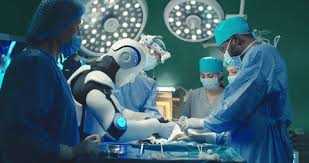
The surgery, a laparoscopic cholecystectomy—commonly known as gallbladder removal—was conducted using the latest robotic surgical system, known as the “Robo-Surgeon 3000.” This advanced robot, equipped with AI-driven algorithms and high-definition 3D visualization, was able to navigate the intricate anatomy of the human body with remarkable dexterity. The procedure was overseen by a team of experienced surgeons who monitored the robot’s actions in real-time, ready to intervene if necessary.
The operation lasted approximately two hours, during which the Robo-Surgeon 3000 demonstrated an impressive ability to perform delicate maneuvers, such as suturing and tissue manipulation, with a level of precision that is often challenging for human hands. The patient, a 45-year-old woman suffering from gallstones, experienced minimal discomfort and was discharged from the hospital just two days post-surgery, a testament to the robot’s efficiency and the minimally invasive nature of the procedure.
How It Works
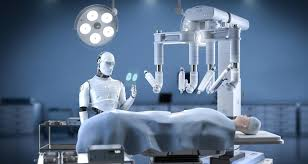
The Robo-Surgeon 3000 operates using a combination of advanced robotics, AI, and machine learning. The system is designed to analyze vast amounts of surgical data, learning from previous procedures to improve its performance continuously. Equipped with high-definition cameras and specialized instruments, the robot can perform intricate tasks with a level of accuracy that surpasses traditional surgical methods.
During the procedure, the robot’s AI algorithms processed real-time data, allowing it to adapt to the patient’s unique anatomy and respond to any unexpected challenges. This adaptability is crucial in surgery, where conditions can change rapidly, and the ability to make quick decisions can significantly impact patient outcomes.

The Role of Human Surgeons
While the Robo-Surgeon 3000 showcased remarkable capabilities, human surgeons played an essential role throughout the procedure. The surgical team, led by Dr. Emily Chen, a renowned surgeon with over 20 years of experience, was responsible for programming the robot and overseeing its actions. Dr. Chen emphasized the importance of collaboration between human expertise and robotic technology.
“Robots are not here to replace surgeons; they are here to enhance our capabilities,” Dr. Chen stated. “The precision and consistency that robots bring to the operating room can significantly improve patient outcomes, but human judgment and experience remain irreplaceable.”
The integration of robotic systems into surgical practices allows for a more efficient workflow, enabling surgeons to focus on complex decision-making while the robot handles repetitive tasks. This partnership can lead to shorter surgery times, reduced recovery periods, and improved overall patient satisfaction.
Benefits of Robotic Surgery
The successful operation performed by the Robo-Surgeon 3000 highlights several key benefits of robotic surgery:
- Precision and Accuracy: Robotic systems can perform intricate movements with a level of precision that minimizes damage to surrounding tissues, leading to less postoperative pain and quicker recovery times.
- Minimally Invasive Techniques: Robotic surgery often involves smaller incisions compared to traditional methods, resulting in reduced scarring and a lower risk of infection.
- Enhanced Visualization: The high-definition 3D visualization provided by robotic systems allows surgeons to see the surgical site in greater detail, improving their ability to make informed decisions during the procedure.
- Reduced Fatigue: Surgeons can perform longer and more complex procedures without experiencing the physical fatigue that can occur during traditional surgeries, leading to better outcomes.
- Training and Simulation: Robotic systems can be used for training purposes, allowing new surgeons to practice techniques in a simulated environment before performing on real patients.
Ethical Considerations
While the success of the Robo-Surgeon 3000 is a cause for celebration, it also raises important ethical questions about the future of surgery and the role of technology in healthcare. Concerns about patient safety, data privacy, and the potential for job displacement in the medical field are at the forefront of discussions surrounding robotic surgery.
One of the primary concerns is the reliance on technology for critical medical procedures. While robots can enhance surgical precision, there is a fear that over-reliance on machines could lead to a decline in human skills. Dr. Chen addressed this concern, stating, “It is crucial that we maintain a balance between technology and human expertise. Training future surgeons to work alongside robotic systems will be essential in ensuring that we do not lose the art of surgery.”
Additionally, the use of AI in healthcare raises questions about data security and patient privacy. As robotic systems collect and analyze vast amounts of patient data, ensuring that this information is protected from breaches and misuse becomes paramount.
The Future of Robotic Surgery
The successful operation performed by the Robo-Surgeon 3000 is just the beginning of a new era in surgical practices. As technology continues to advance, we can expect to see even more sophisticated robotic systems capable of performing a wider range of procedures. Researchers and engineers are already working on developing robots that can handle complex surgeries, such as cardiac and neurosurgery, which require an even higher level of precision and skill.

Moreover, the integration of AI and machine learning into robotic systems will likely lead to improved outcomes as these technologies evolve. Future robots may be able to predict complications based on real-time data analysis, allowing for proactive measures to be taken during surgery. This predictive capability could significantly enhance patient safety and reduce the likelihood of postoperative complications.
Training the Next Generation
As robotic surgery becomes more prevalent, medical education will need to adapt to prepare the next generation of surgeons. Training programs will likely incorporate robotic systems into their curricula, allowing students to gain hands-on experience with these technologies. Simulation-based training will become increasingly important, enabling aspiring surgeons to practice their skills in a controlled environment before operating on real patients.
Furthermore, interdisciplinary collaboration between engineers, computer scientists, and medical professionals will be essential in advancing robotic surgery. By working together, these experts can develop innovative solutions that enhance surgical techniques and improve patient care.
Patient Perspectives
Patients are also beginning to recognize the benefits of robotic surgery. Many are drawn to the promise of minimally invasive procedures, shorter recovery times, and reduced pain. As awareness of robotic surgery grows, patients are likely to seek out facilities that offer these advanced surgical options.
However, it is essential for healthcare providers to communicate clearly with patients about the role of robotic systems in their care. Patients should be informed about the benefits and limitations of robotic surgery, as well as the importance of human oversight during procedures. Building trust between patients and their surgical teams will be crucial in ensuring the successful adoption of robotic technologies in healthcare.
Conclusion
The successful performance of surgery by the Robo-Surgeon 3000 marks a significant milestone in the field of medicine, showcasing the potential of robotic systems to enhance surgical precision and improve patient outcomes. While the integration of robotics and AI in healthcare presents exciting opportunities, it also raises important ethical considerations that must be addressed.
As we look to the future, the collaboration between human surgeons and robotic systems will be vital in shaping the next generation of surgical practices. By embracing technology while maintaining a strong foundation of human expertise, the medical community can work towards a future where patients receive the highest quality of care, supported by the best that technology has to offer. The journey ahead is filled with promise, and the potential for robotic surgery to revolutionize healthcare is just beginning to unfold.
