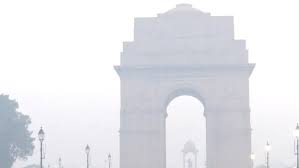
Delhi, the bustling capital of India, is once again grappling with a severe air quality crisis as a thick layer of smog blankets the city. The air quality index (AQI) has plummeted to ‘very poor’ levels, raising alarms among health officials and environmentalists alike. This persistent haze, exacerbated by seasonal factors and human activities, poses significant health risks to the city’s residents and highlights the urgent need for effective measures to combat air pollution.
Current Air Quality Status
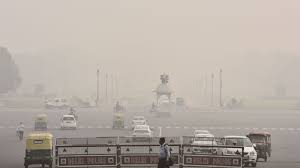
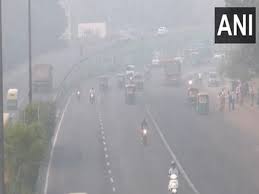
As of November 6, 2024, the AQI in several parts of Delhi has crossed the 300 mark, categorizing it as ‘very poor.’ Areas such as Anand Vihar, ITO, and Dwarka have reported AQI levels exceeding 400, indicating hazardous conditions. The smog has not only reduced visibility but has also led to a spike in respiratory ailments among the population.
Meteorological data suggests that the combination of stagnant weather conditions, low wind speeds, and high humidity has contributed to the accumulation of pollutants in the atmosphere. The situation is further aggravated by the burning of crop residue in neighboring states, vehicular emissions, and industrial discharges, which continue to be significant contributors to the city’s deteriorating air quality.
Health Implications
The health implications of poor air quality are dire, particularly for vulnerable populations such as children, the elderly, and individuals with pre-existing health conditions. Medical experts warn that prolonged exposure to high levels of air pollution can lead to a range of health issues, including asthma, bronchitis, cardiovascular diseases, and even lung cancer.
Hospitals across the city have reported an increase in patients suffering from respiratory problems, with many seeking treatment for conditions exacerbated by the smog. Health officials are urging residents to take precautions, such as wearing masks, using air purifiers indoors, and limiting outdoor activities, especially during peak pollution hours.
Government Response
In response to the alarming air quality levels, the Delhi government has implemented several measures aimed at mitigating pollution. The Graded Response Action Plan (GRAP), a set of emergency measures designed to combat air pollution, has been activated. This includes restrictions on construction activities, a ban on the use of diesel generators, and the promotion of public transportation.
Additionally, the government has intensified its efforts to monitor air quality and disseminate information to the public. Real-time AQI data is being made available through various platforms, allowing residents to stay informed about pollution levels in their areas.
However, critics argue that these measures are often reactive rather than proactive. Environmental activists emphasize the need for long-term solutions, such as stricter regulations on industrial emissions, improved waste management practices, and the promotion of green spaces within the city.
The Role of Crop Burning
One of the significant contributors to Delhi’s air pollution is the practice of stubble burning in neighboring states, particularly Punjab and Haryana. Farmers often resort to this method to clear their fields quickly after the harvest, releasing large amounts of smoke and particulate matter into the atmosphere.
Despite government initiatives aimed at providing alternatives to stubble burning, such as financial incentives for using eco-friendly methods, the practice continues to be prevalent. Environmentalists are calling for a more comprehensive approach that addresses the root causes of crop burning, including better access to technology and resources for farmers.
Public Awareness and Community Action
As the air quality crisis deepens, public awareness campaigns are becoming increasingly important. Various non-governmental organizations (NGOs) and community groups are working to educate residents about the health risks associated with air pollution and the steps they can take to protect themselves.
Social media platforms have also played a crucial role in raising awareness, with many individuals sharing information about air quality and advocating for cleaner air. Grassroots movements are emerging, urging citizens to participate in tree-planting drives, promote carpooling, and support local initiatives aimed at reducing pollution.
The Way Forward
Addressing Delhi’s air quality crisis requires a multi-faceted approach that involves collaboration between government agencies, civil society, and the public. While immediate measures are essential to mitigate the current situation, long-term strategies must be implemented to ensure sustainable improvements in air quality.
Investments in public transportation infrastructure, the promotion of electric vehicles, and the establishment of green zones within the city are critical steps toward reducing pollution levels. Additionally, stricter enforcement of environmental regulations and increased penalties for violators can help deter practices that contribute to air quality degradation.
Conclusion
As Delhi continues to battle the thick layer of smog enveloping the city, the urgency for action has never been clearer. The health and well-being of millions of residents hang in the balance, and it is imperative that all stakeholders come together to address this pressing issue. With concerted efforts and a commitment to sustainable practices, there is hope for a cleaner, healthier future for Delhi and its inhabitants. The time to act is now, as the city strives to reclaim its air quality and safeguard the health of its citizens. The ongoing crisis serves as a stark reminder of the environmental challenges facing urban centers worldwide, and the need for innovative solutions that prioritize public health and ecological sustainability. As the government, communities, and individuals work together, the path to cleaner air and a healthier environment can be forged, ensuring that future generations can thrive in a city free from the shackles of pollution.