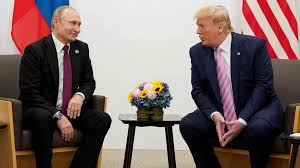
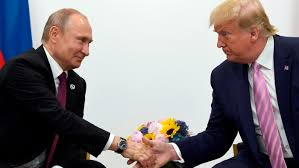
In a significant diplomatic move, former U.S. President Donald Trump recently engaged in a phone conversation with Russian President Vladimir Putin, urging him to refrain from escalating the ongoing conflict in Ukraine. The call, which took place on [insert date], comes at a time when tensions between Russia and Ukraine have reached a critical juncture, with fears of further military escalation looming over the region.
The conversation between Trump and Putin was characterized by a tone of urgency, as the former president emphasized the need for dialogue and peaceful resolution to the conflict that has plagued Ukraine since 2014. Trump’s call is particularly noteworthy given his previous tenure in office, during which he often took a controversial stance on U.S.-Russia relations. His approach to foreign policy has been a subject of intense debate, and this latest outreach is seen as an attempt to reassert his influence on the global stage.
Context of the Conflict
The war in Ukraine began in 2014 when Russia annexed Crimea, leading to a protracted conflict in the eastern regions of Ukraine, where Russian-backed separatists declared independence. Since then, the situation has escalated, with thousands of lives lost and millions displaced. The international community has largely condemned Russia’s actions, imposing sanctions and providing support to Ukraine. The conflict has also strained U.S.-Russia relations, with both countries engaging in a war of words and military posturing.
In recent months, there have been growing concerns about a potential escalation of hostilities, particularly as Russia has amassed troops along the Ukrainian border. The Biden administration has been vocal in its support for Ukraine, pledging military aid and diplomatic backing. However, Trump’s outreach to Putin signals a different approach, one that advocates for dialogue over confrontation.
Details of the Conversation
While specific details of the conversation remain private, sources close to Trump have indicated that he urged Putin to consider the consequences of further military action in Ukraine. Trump reportedly expressed concern over the humanitarian impact of the conflict and the potential for a wider regional war. He emphasized the importance of finding a diplomatic solution that respects Ukraine’s sovereignty while addressing Russia’s security concerns.
The former president’s call to de-escalate tensions aligns with his long-standing belief in the necessity of direct communication between world leaders. Trump has often criticized what he perceives as a lack of effective diplomacy in U.S. foreign policy, arguing that personal relationships between leaders can lead to more constructive outcomes.
Reactions to the Call
The reaction to Trump’s call has been mixed, reflecting the polarized views on his foreign policy approach. Supporters of Trump have praised his willingness to engage with Putin, viewing it as a pragmatic step towards reducing tensions. They argue that dialogue is essential in preventing further escalation and that Trump’s unique relationship with Putin could facilitate a more favorable outcome.
Conversely, critics have raised concerns about the implications of Trump’s outreach. Some analysts argue that engaging with Putin without preconditions could undermine the international consensus on holding Russia accountable for its actions in Ukraine. They caution that any perceived leniency towards Russia may embolden Putin to continue aggressive tactics, potentially destabilizing the region further.
U.S. officials have also weighed in on the conversation, with some expressing skepticism about the effectiveness of Trump’s approach. They argue that any dialogue with Russia must be accompanied by a clear message that aggression will not be tolerated. The Biden administration has maintained a firm stance on supporting Ukraine, emphasizing the need for a united front among NATO allies.
The Broader Implications
Trump’s call to Putin comes at a time when the geopolitical landscape is rapidly evolving. The ongoing conflict in Ukraine has significant implications not only for European security but also for global stability. As tensions rise, the potential for miscalculation and unintended consequences increases, making diplomatic efforts all the more critical.
The situation in Ukraine also intersects with broader issues, including energy security, NATO’s role in Eastern Europe, and the balance of power between the West and Russia. As Europe grapples with energy dependence on Russia, the stakes are high for both sides. Trump’s call for de-escalation could be seen as an attempt to navigate these complex dynamics, advocating for a solution that prioritizes stability over confrontation.
Looking Ahead
As the situation in Ukraine continues to evolve, the international community will be closely monitoring the outcomes of Trump’s outreach to Putin. The effectiveness of this diplomatic engagement remains to be seen, and it will be crucial for both sides to demonstrate a commitment to dialogue and peaceful resolution.
In the coming weeks, the Biden administration is expected to continue its support for Ukraine while also exploring avenues for diplomatic engagement with Russia. The balance between deterrence and dialogue will be a key focus as the U.S. and its allies seek to navigate the challenges posed by the ongoing conflict.
In conclusion, Donald Trump’s recent conversation with Vladimir Putin represents a significant moment in the ongoing saga of the Ukraine conflict. By urging the Russian leader to de-escalate tensions, Trump is advocating for a diplomatic approach that prioritizes dialogue over military confrontation. This call reflects a broader desire for stability in a region that has been marred by conflict for nearly a decade.
As the world watches closely, the implications of this conversation could resonate far beyond the immediate situation in Ukraine. The potential for renewed diplomatic efforts may pave the way for a more constructive relationship between the U.S. and Russia, provided that both sides are willing to engage in good faith.
The effectiveness of Trump’s approach will depend on the responses from both Putin and the international community. If Putin heeds the call for de-escalation, it could lead to a thawing of tensions and a renewed focus on diplomatic solutions. However, if the Russian leader chooses to ignore this overture, it may further complicate the already fraught geopolitical landscape.
In the meantime, the Biden administration will likely continue to bolster its support for Ukraine, ensuring that the country has the resources it needs to defend itself against aggression. The U.S. and its allies must remain vigilant, balancing the need for deterrence with the hope for dialogue.
Ultimately, Trump’s call to Putin serves as a reminder of the complexities of international relations and the importance of communication in resolving conflicts. As the situation unfolds, the world will be watching to see if this diplomatic engagement can lead to a more peaceful resolution in Ukraine and a shift in the dynamics of U.S.-Russia relations.
In a time when global tensions are high, the need for effective diplomacy has never been more critical. Whether through direct conversations or multilateral negotiations, the path to peace requires a commitment from all parties involved to prioritize dialogue and understanding over aggression and hostility. The stakes are high, and the consequences of inaction could be dire, making every effort towards de-escalation a vital step in the right direction.
As we look to the future, the hope remains that through continued dialogue and diplomatic efforts, a lasting resolution can be found that respects the sovereignty of Ukraine while addressing the security concerns of Russia. The world is watching, and the outcome of this situation will undoubtedly shape the geopolitical landscape for years to come.
