In recent discussions surrounding the future of the United Nations (UN), India has emphasized the critical need for reform to preserve the legitimacy and credibility of this global institution. As the world faces unprecedented challenges, including geopolitical tensions, climate change, and public health crises, the call for an updated and more representative UN has gained momentum. This article explores India’s perspective on the necessity of reforming the UN to ensure it remains relevant and effective in addressing contemporary global issues.
The Current State of the UN
The United Nations, established in 1945, was designed to promote peace, security, and cooperation among nations. However, over the decades, the organization has faced criticism for its inability to adapt to the changing geopolitical landscape. Many member states, including India, argue that the UN’s structure and decision-making processes are outdated and do not reflect the current realities of global power dynamics.
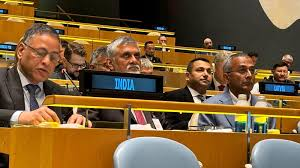
India’s External Affairs Minister, S. Jaishankar, has articulated the need for a more inclusive and representative UN, particularly in the context of the Security Council. The current composition of the Security Council, which includes five permanent members with veto power, has been a point of contention. Critics argue that this structure does not adequately represent the interests of the majority of UN member states, particularly those from the Global South.
The Case for Reform
India’s call for reform is rooted in the belief that a more equitable UN will enhance its legitimacy and effectiveness. Key arguments for reform include:
- Representation of Emerging Powers: As emerging economies like India, Brazil, and South Africa gain prominence on the global stage, their exclusion from key decision-making bodies undermines the UN’s credibility. India has long sought a permanent seat on the Security Council, arguing that its inclusion would reflect the realities of the 21st century.
- Addressing Global Challenges: The UN faces numerous challenges, including climate change, terrorism, and pandemics. An updated UN structure would enable more effective responses to these issues by incorporating diverse perspectives and expertise from a broader range of countries.
- Strengthening Multilateralism: In an era marked by rising nationalism and unilateralism, a reformed UN could serve as a platform for fostering multilateral cooperation. By ensuring that all member states have a voice in decision-making, the UN can promote collective action on global issues.
India’s Role in the UN
India has been an active participant in the UN since its inception, contributing to peacekeeping missions and advocating for the interests of developing nations. The country has consistently called for reforms that enhance the UN’s legitimacy and effectiveness. India’s candidacy for a permanent seat on the Security Council is supported by a significant number of member states, reflecting its growing influence and commitment to multilateralism.
Moreover, India has taken on leadership roles in various UN initiatives, including the International Solar Alliance and the Coalition for Disaster Resilient Infrastructure. These efforts demonstrate India’s commitment to addressing global challenges and its willingness to contribute to the UN’s mission.
Challenges to Reform
Despite the growing consensus on the need for UN reform, several challenges hinder progress:
- Resistance from Permanent Members: The five permanent members of the Security Council— the United States, Russia, China, France, and the United Kingdom—have historically been resistant to changes that could dilute their power. This resistance poses a significant obstacle to achieving a more representative UN.
- Diverse Interests Among Member States: The UN comprises 193 member states, each with its own interests and priorities. Achieving consensus on reform proposals can be challenging, as countries may have differing views on the structure and functions of the UN.
- Bureaucratic Inertia: The UN is often criticized for its bureaucratic processes, which can slow down decision-making and implementation. Reforming these processes is essential to enhance the UN’s responsiveness to global challenges.
The Path Forward
To preserve the legitimacy and credibility of the UN, a multi-faceted approach to reform is necessary. Key steps include:
- Engaging in Dialogue: Member states must engage in constructive dialogue to identify common ground and develop a shared vision for UN reform. This dialogue should involve not only governments but also civil society, academia, and the private sector.
- Promoting Inclusivity: Ensuring that all member states have a voice in decision-making processes is crucial. This can be achieved by expanding the Security Council and creating mechanisms for greater participation from underrepresented regions.
- Enhancing Accountability: Strengthening accountability mechanisms within the UN can help build trust among member states. This includes transparent reporting on the UN’s activities and outcomes, as well as mechanisms for addressing grievances.
Conclusion
India’s call for updating the United Nations is a timely reminder of the need for reform in an institution that plays a pivotal role in global governance. As the world grapples with complex challenges, preserving the legitimacy and credibility of the UN is essential for fostering international cooperation and addressing pressing issues. By advocating for a more inclusive and representative UN, India is not only asserting its own aspirations but also championing the interests of a broader coalition of nations that seek a more equitable global order.
The path to reform is fraught with challenges, but the urgency of the situation demands that member states prioritize dialogue and collaboration. The UN must evolve to reflect the realities of the 21st century, where power dynamics have shifted, and new challenges have emerged. By embracing reform, the UN can enhance its effectiveness and restore faith in multilateralism.
In conclusion, the legitimacy and credibility of the United Nations hinge on its ability to adapt and respond to the changing global landscape. India’s advocacy for reform is a crucial step towards ensuring that the UN remains a relevant and effective platform for addressing the myriad challenges facing humanity. As nations come together to navigate the complexities of our time, a reformed UN can serve as a beacon of hope, fostering cooperation and solidarity in pursuit of a more just and peaceful world.