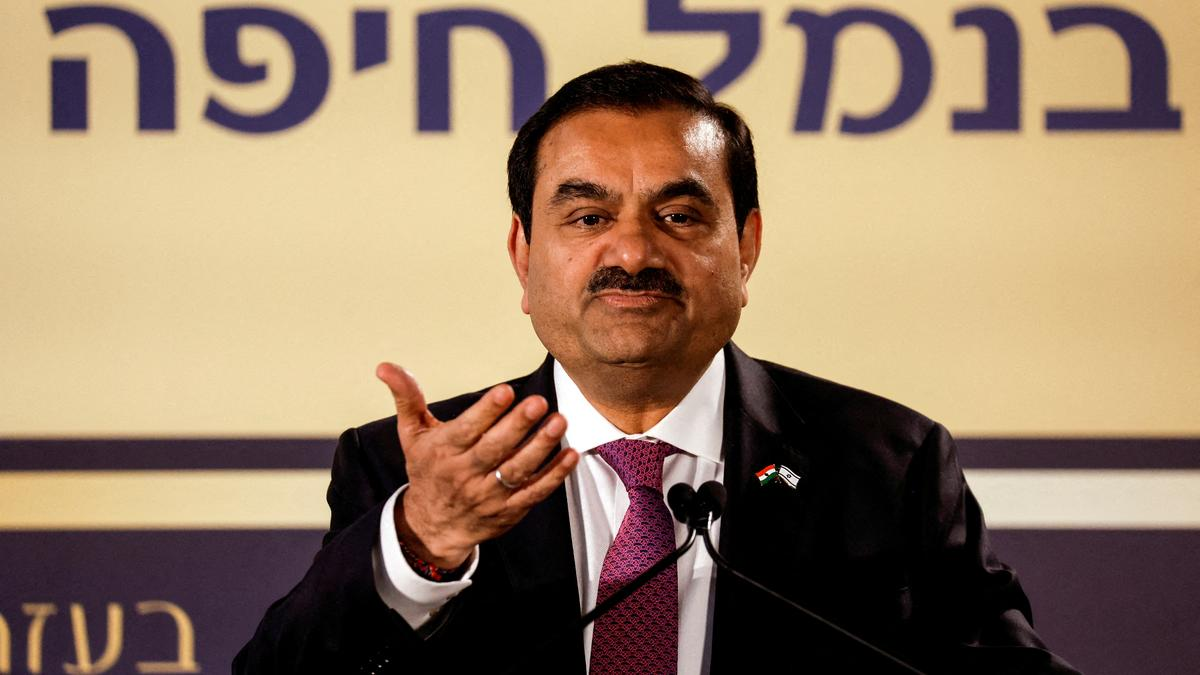
The relationship between India and the United States has been a focal point of international diplomacy, characterized by mutual interests and shared values. Recently, this relationship has been tested by the bribery charges against Indian billionaire Gautam Adani. The White House has expressed confidence in navigating this crisis, emphasizing the strength of the bilateral ties.
Background of the Charges
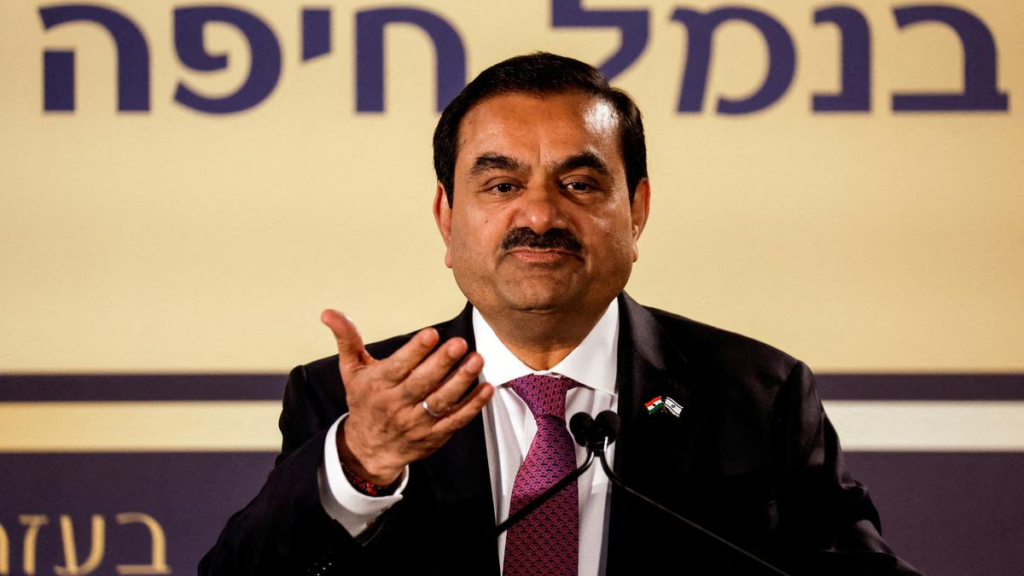
Gautam Adani, a prominent figure in the Indian business landscape, has been charged by U.S. prosecutors for allegedly orchestrating a scheme that involved bribing Indian officials. Reports indicate that over $250 million was allegedly paid in bribes to secure favorable terms for solar power contracts. These serious allegations have raised concerns regarding corporate governance and ethical business practices in India.
- Key Points:
- Adani’s charges involve significant sums of money.
- The bribery allegedly aimed to influence governmental decisions related to renewable energy contracts.
- The implications of these charges extend beyond individual accountability to broader issues of corruption in business practices.
White House’s Response
In light of these developments, White House Press Secretary Karine Jean-Pierre addressed the media, reaffirming the robustness of U.S.-India relations. She acknowledged the allegations against Adani but emphasized that such issues would not undermine the foundational ties between the two nations.
- Statements from the White House:
- The administration is aware of the charges and is monitoring the situation.
- The relationship is described as “anchored in ties between our people” and cooperation on global issues.
- Confidence was expressed that the U.S. can navigate this crisis effectively, similar to past challenges.
The Strength of U.S.-India Relations
The U.S.-India relationship has been built on several pillars, including:
- Economic Cooperation:
- Trade between the two nations has grown significantly over the years, with both countries benefiting from a robust exchange of goods and services.
- Investment flows have increased, with American companies looking to tap into the Indian market and vice versa.
- Strategic Partnership:
- The two countries collaborate on various strategic fronts, including defense, counterterrorism, and regional security.
- Joint military exercises and defense agreements have strengthened their alliance.
- Cultural and Educational Ties:
- People-to-people connections have fostered a deeper understanding and appreciation of each other’s cultures.
- Educational exchanges and collaborations have enriched both societies.
Navigating the Crisis
The White House’s confidence in handling the Adani situation reflects a broader strategy of managing potential disruptions in international relations. The U.S. has historically dealt with various challenges in its foreign relations without allowing them to derail diplomatic progress.
- Key Strategies:
- Engagement with Regulatory Bodies: The U.S. government has indicated that it will defer specific inquiries to the Securities and Exchange Commission (SEC) and the Department of Justice (DOJ), which are responsible for investigating such allegations.
- Maintaining Diplomatic Channels: Continuous dialogue between U.S. and Indian officials is likely to remain a priority to ensure that the relationship is not adversely affected by legal issues.
Implications for India
The bribery charges against Adani could have far-reaching implications for India, particularly in terms of:
- Corporate Governance: These allegations may prompt a re-evaluation of corporate practices in India, leading to stricter regulations and oversight.
- International Perception: The charges could impact how foreign investors view the Indian market, potentially leading to caution in investment decisions.
- Political Ramifications: As a significant player in the Indian economy, the fallout from these charges could influence political dynamics within the country.
Conclusion
The ongoing crisis surrounding Gautam Adani’s bribery charges poses a challenge to the longstanding relationship between India and the U.S. However, the White House’s assertion of confidence in navigating this issue reflects a commitment to maintaining strong bilateral ties. As both nations continue to engage on various fronts, it will be crucial to monitor how these allegations unfold and their broader impact on the U.S.-India partnership.
In summary, while the Adani case presents challenges, the foundation of the U.S.-India relationship remains strong, supported by shared interests and mutual respect. The ability to manage crises effectively will be key to sustaining this important partnership in the face of adversity.